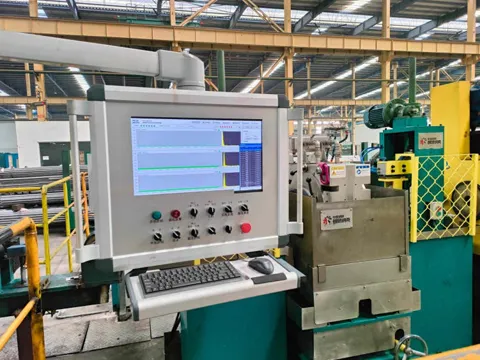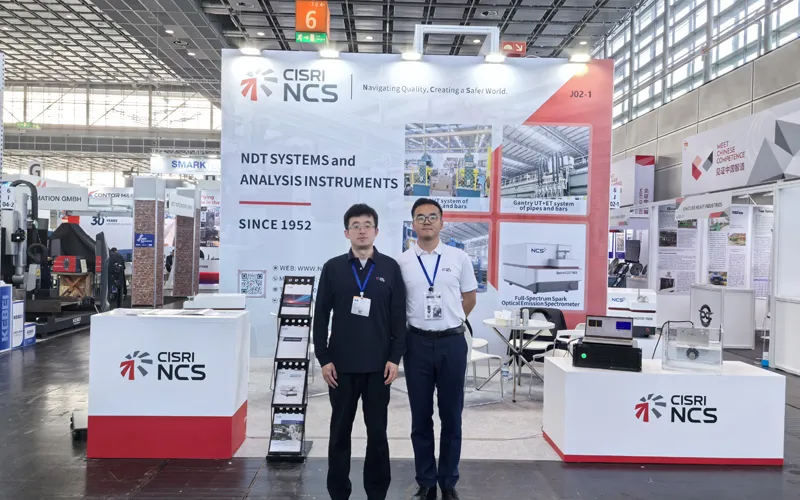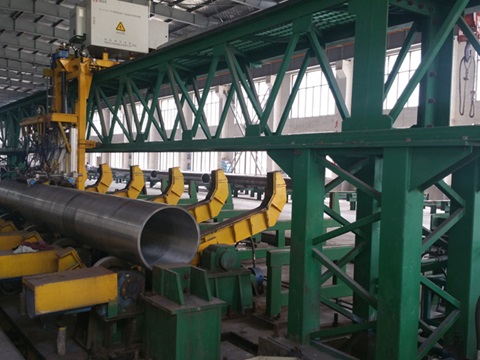
Phased Array Ultrasonic Testing (PAUT) Equipment Is Rapidly Becoming One of the Most Advanced and Reliable Methods for Assessing Material and Structural Integrity Across Various Industries. As Technology Evolves, PAUT is Transforming the Field of Non-Destructive Testing (NDT) by Offering More Precise, Flexible, and Efficient Solutions Compared to Traditional Ultrasonic Methods.
PAUT equipment utilizes the fundamental principles of ultrasonic testing, but with the added advantage of using a phased array of transducers to generate multiple sound waves simultaneously. These waves can be electronically steered, focused, and adjusted in real time to inspect complex materials, welded joints, and large structures with exceptional precision. Phased array technology enables a broader range of inspection angles and depths, making it particularly effective at detecting defects that might be missed by conventional single-element ultrasonic probes. Compared to traditional methods, PAUT delivers faster and more accurate results, especially in critical applications such as aerospace, oil and gas, and automotive industries.
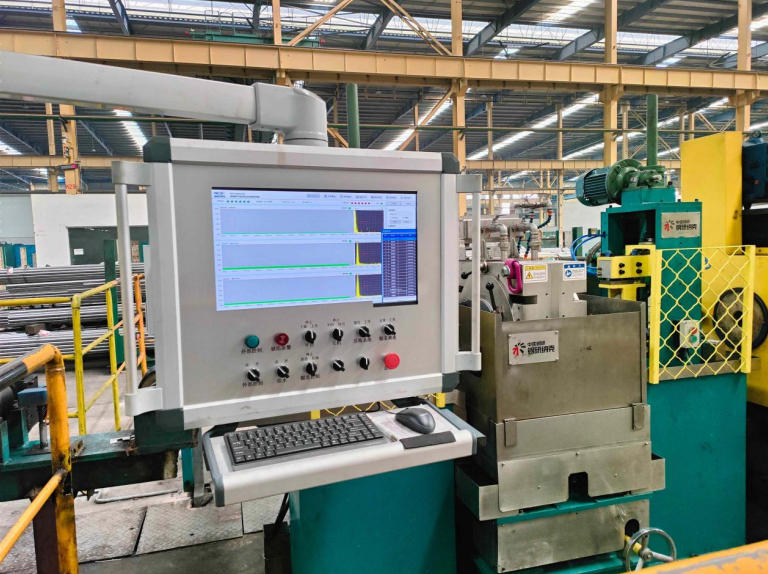
One of the main reasons PAUT equipment is rapidly gaining popularity in NDT is its ability to perform comprehensive inspections over large areas in a short amount of time. Traditional ultrasonic methods often require multiple scans or adjustments to cover different angles or depths, whereas PAUT eliminates these inefficiencies by electronically steering the sound beams. Furthermore, PAUT provides real-time imaging and detailed data, enabling inspectors to quickly identify the exact location and size of defects, thereby significantly improving inspection efficiency. This real-time data capture and visualization capability allows inspectors to make faster, more informed decisions, ultimately ensuring the safety and reliability of critical components.
In industries where material integrity is paramount—such as aerospace, manufacturing, and energy production—PAUT equipment is indispensable. In aerospace, PAUT is used to inspect aircraft structures, engines, and fuselage components for hidden cracks or corrosion. In the oil and gas industry, it helps assess pipeline integrity and detect weld defects in critical pressure vessels or offshore platforms. PAUT's versatility also extends to other sectors, such as automotive manufacturing, where it is used to check the structural integrity of key components like engine parts, chassis, and suspension systems. PAUT's adaptability across these diverse industries underscores its value in enhancing safety and ensuring operational reliability.
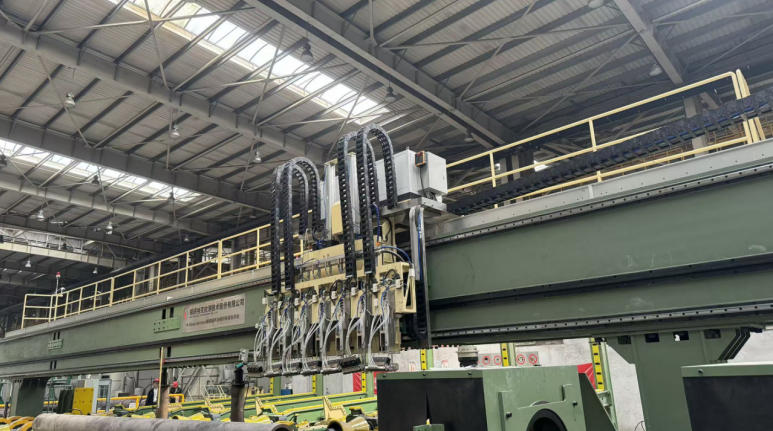
When comparing PAUT to conventional ultrasonic testing, the primary difference lies in PAUT's ability to generate multiple sound waves from different angles and focus them with precision. Traditional ultrasonic testing typically uses a single probe and requires manual adjustment of angles or beam directions, whereas PAUT can electronically steer the beams to inspect complex geometries without repositioning the equipment. This flexibility significantly reduces inspection time and increases productivity. Moreover, PAUT's comprehensive real-time imaging capability makes it easier for operators to detect and analyze defects in materials with greater accuracy than ever before.
PAUT equipment represents the future of ultrasonic testing because it delivers unprecedented accuracy, flexibility, and efficiency. As industries continue to raise safety standards and demand more reliable materials, the need for advanced NDT techniques like PAUT is expected to grow. PAUT's ability to inspect complex shapes, detect hidden flaws, and provide instant feedback positions it as an essential tool in modern manufacturing, infrastructure maintenance, and quality control. As more industries adopt this technology, PAUT is set to become the standard for ultrasonic testing across a wide range of applications.
PAUT equipment is revolutionizing the way ultrasonic testing is conducted across industries. By providing faster, more accurate, and real-time data, PAUT is poised to replace traditional ultrasonic methods and become the preferred choice for inspectors and technicians. As technology continues to advance, PAUT will undoubtedly play a key role in improving the safety and reliability of critical infrastructure and industrial components worldwide.
 English