
Magnetic crack detectors play a crucial role in Non-Destructive Testing (NDT), providing precise detection of surface and subsurface cracks in various materials. This technology leverages magnetic fields to reveal even the smallest of defects, making it indispensable in industries like aerospace, automotive, and manufacturing. In this article, we will explore the role of magnetic crack detectors, how they function, and why they are critical in ensuring the safety and quality of materials and components.
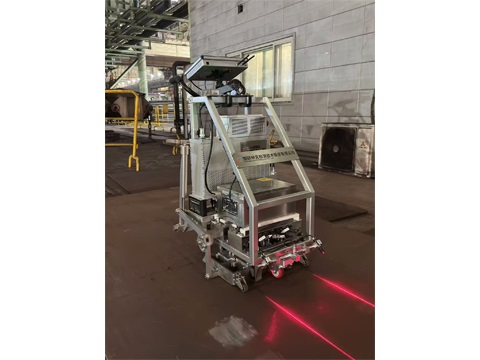
A magnetic crack detector is an NDT tool that uses magnetic fields to identify cracks and other surface irregularities in ferromagnetic materials. The device works by magnetizing the material under inspection and observing the changes in the magnetic field caused by any imperfections. When a crack or defect is present, it disrupts the magnetic flow, creating a leakage field that can be detected using specialized equipment. This makes magnetic crack detectors highly effective in identifying hidden flaws that are often invisible to the naked eye. The ability to quickly detect these flaws ensures the safety and integrity of components used in critical applications.
Magnetic Particle Inspection (MPI) is a widely used method for detecting cracks in ferromagnetic materials. It is especially effective for detecting surface and near-surface flaws that can be detrimental to the structural integrity of materials. During the MPI process, the material is magnetized, and then fine magnetic particles are applied to the surface. If a crack or defect is present, the magnetic particles will accumulate along the line of the flaw, making it visible to inspectors. This technique provides high sensitivity and is particularly useful for large-scale inspections, such as in plate and strip materials. Magnetic crack detectors equipped with MPI technology provide accurate results that help prevent failures in critical components.
In industrial applications, particularly those involving heavy machinery, vehicles, or aerospace components, the detection of cracks and defects is vital for maintaining operational safety and efficiency. Even the smallest imperfection can lead to catastrophic failures if left undetected. Magnetic crack detectors offer a reliable method of inspecting materials without causing any damage, ensuring that any structural weaknesses are identified and addressed before they pose a risk. Industries such as aviation and automotive manufacturing, where safety is paramount, rely heavily on magnetic crack detection to ensure the longevity and reliability of their products.
Compared to other NDT methods, such as ultrasonic testing or dye penetrant inspection, magnetic crack detection offers several unique advantages. Magnetic crack detection is especially effective for identifying surface and near-surface defects in ferromagnetic materials commonly used in industries like automotive and aerospace, while other methods, for example ultrasonic testing equipment, are typically used for internal flaw detection in various materials. Additionally, it is a fast and efficient process that does not require the material to be cut or altered in any way, helping to maintain the integrity of the sample. The detection process can be carried out quickly, enabling more comprehensive inspections within a shorter time frame. Magnetic crack detectors are also highly versatile, capable of inspecting both small parts and large components, making them suitable for a wide range of industrial applications.
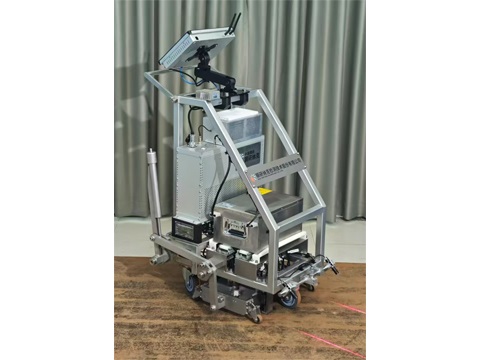
Magnetic crack detectors are used across a wide range of industries for ensuring the integrity of materials and structures. In the aerospace industry, they are crucial for inspecting engine components and other critical parts that are exposed to extreme conditions. In automotive manufacturing, magnetic crack detection helps in the inspection of suspension components, brakes, and engine parts, where even minor cracks could lead to major safety issues. Additionally, the energy sector relies on these detectors to inspect structural components in power plants and refineries, where safety and reliability are non-negotiable. Magnetic crack detectors play an integral role in maintaining the highest standards of safety and performance across various industrial sectors.
In conclusion, magnetic crack detectors are an essential tool in NDT for detecting hidden defects and ensuring the safety and reliability of critical components. Whether through Magnetic Particle Inspection (MPI) or other related methods, these devices provide an effective means of identifying surface and subsurface cracks that could compromise material integrity. Their widespread use across industries highlights their importance in maintaining operational safety and performance, making them a key component in any quality control or maintenance process.
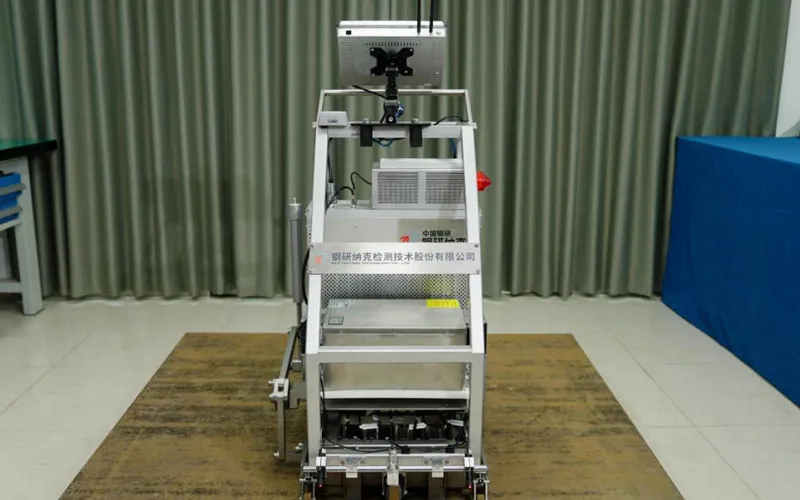
NCS-MMTI200 steel plate hard spot micro-magnetic NDT trolley system

NCS Exhibits Automated NDT Equipment and NDT Instrument Calibration Systems at ECNDT 2026
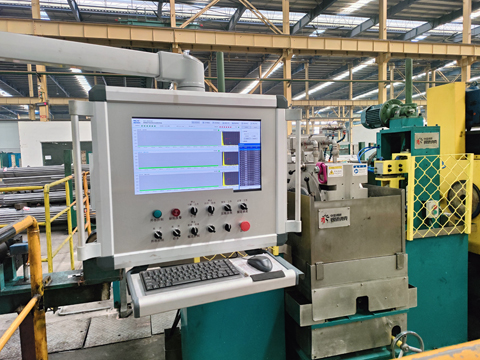
What Is Phased Array Pipe Inspection? Complete 2026 Guide to Phased Array Ultrasonic Testing for Pipes & Bars
 English