
Eddy current testing equipment plays a crucial role in non-destructive testing (NDT), helping to detect cracks, corrosion, and material properties in various industries like aerospace, automotive, and manufacturing. The accuracy and reliability of this testing equipment are essential to ensure safe and efficient operations. To maintain the optimal performance of your eddy current testing equipment, regular calibration and maintenance are necessary. In this article, we will discuss the importance of calibration and maintenance for eddy current testing equipment and provide guidance on how to effectively care for your system.
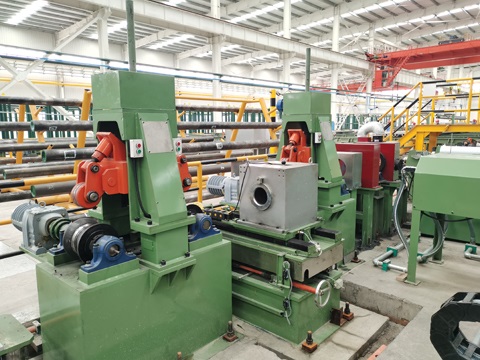
Calibration is a critical process for ensuring that eddy current testing equipment provides accurate and reliable results. As time passes, environmental conditions, wear and tear, and equipment adjustments may lead to slight inaccuracies in the test readings. Regular calibration ensures that your equipment maintains its precision, helping operators detect even the smallest flaws or inconsistencies in materials. It is important to calibrate the system to standards set by national and international guidelines, ensuring that results meet industry requirements. For example, the NCS eddy current testing equipment offers various calibration options that can be tailored to specific testing needs. Regular calibration of your eddy current system helps avoid false positives or negatives, ensuring that critical defects are not missed.
Proper maintenance of eddy current testing equipment extends the lifespan of the equipment and ensures consistent performance. The maintenance process includes regular inspections, cleaning, and minor repairs to prevent potential issues from escalating. One of the first steps in maintaining eddy current systems is to regularly check and clean the probes or sensors. Dirt, dust, or corrosion on the probes can affect the accuracy of measurements and reduce the equipment's efficiency. Cleaning the probes with a soft cloth and appropriate solvents helps preserve their condition. Additionally, the cables and connectors should be inspected for wear and tear, as damaged cables can result in signal loss or inaccurate readings. By performing these routine checks, you can significantly reduce the risk of equipment failure and ensure optimal functionality.
Ensuring the performance of eddy current testing equipment involves a combination of both technical expertise and consistent operational practices. First, it is important to calibrate the system regularly, as discussed earlier. In addition, operators should familiarize themselves with the equipment’s settings and functionality, which can vary based on the manufacturer and model. For example, NCS offers a range of customizable options for eddy current systems, allowing operators to adjust parameters such as frequency and amplitude based on specific testing needs. Regular performance checks and troubleshooting are also essential. If an issue arises, it is recommended to contact a qualified technician who can diagnose and repair the equipment to prevent further complications. Staying proactive in ensuring proper operation will guarantee that the equipment delivers high-quality results every time.
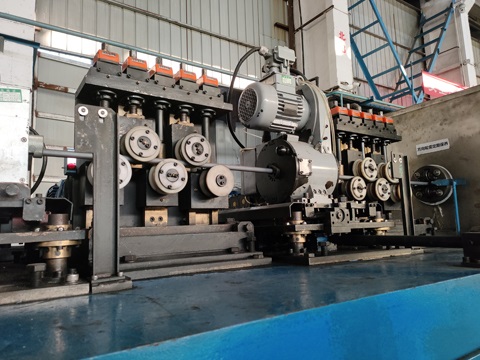
Despite its reliability, eddy current testing equipment can encounter a few common challenges during its lifespan. Environmental factors, such as humidity, temperature fluctuations, and exposure to harsh chemicals, can degrade components over time. For example, the high-frequency eddy current probes used in critical applications may experience degradation if not properly protected or maintained. Regularly inspecting the equipment for signs of wear, corrosion, or damage can help identify potential problems before they affect performance. Additionally, software or firmware updates may be necessary to ensure the system operates efficiently with the latest technology. Many eddy current testing devices, including those offered by NCS, are equipped with self-diagnostic features, allowing users to troubleshoot minor issues before they require professional intervention.
Eddy current testing equipment is an essential tool for many industries, providing crucial information about the condition of materials without causing damage. However, to ensure that this equipment operates at peak performance, regular calibration and maintenance are key. Proper calibration ensures that the system delivers accurate and reliable results, while ongoing maintenance preserves the equipment’s longevity and functionality. By adhering to these best practices, you can extend the lifespan of your eddy current testing equipment and ensure that it continues to perform with precision. For detailed guidance on calibration, maintenance, or product offerings, visit NCS Eddy Current Testing Equipment, where you can explore advanced solutions tailored to meet your specific testing needs.
By maintaining your eddy current testing equipment through regular calibration and maintenance, you can ensure the accuracy, reliability, and longevity of your equipment, ultimately improving your operational efficiency and safety.
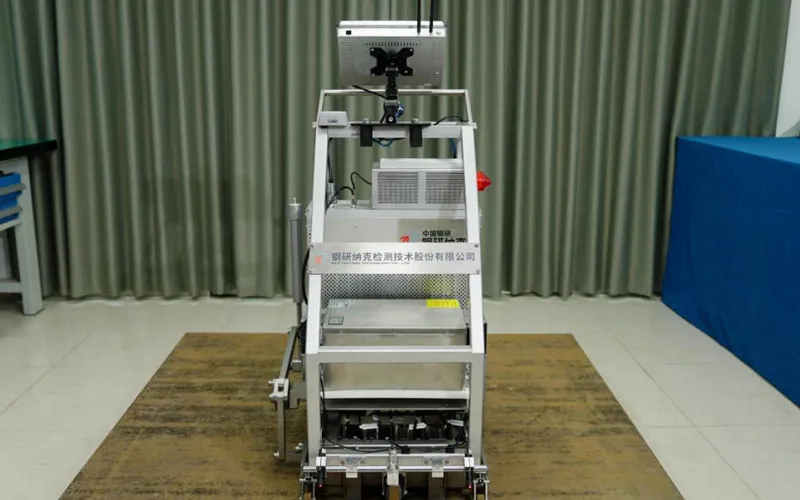
NCS-MMTI200 steel plate hard spot micro-magnetic NDT trolley system

NCS Exhibits Automated NDT Equipment and NDT Instrument Calibration Systems at ECNDT 2026
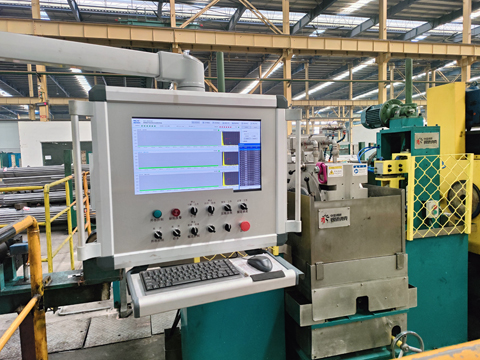
What Is Phased Array Pipe Inspection? Complete 2026 Guide to Phased Array Ultrasonic Testing for Pipes & Bars
 English